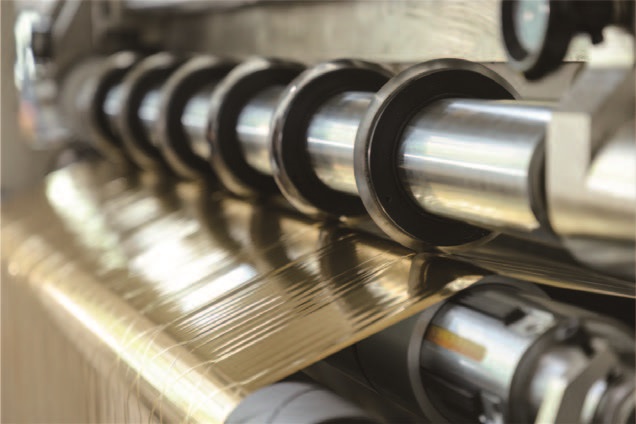
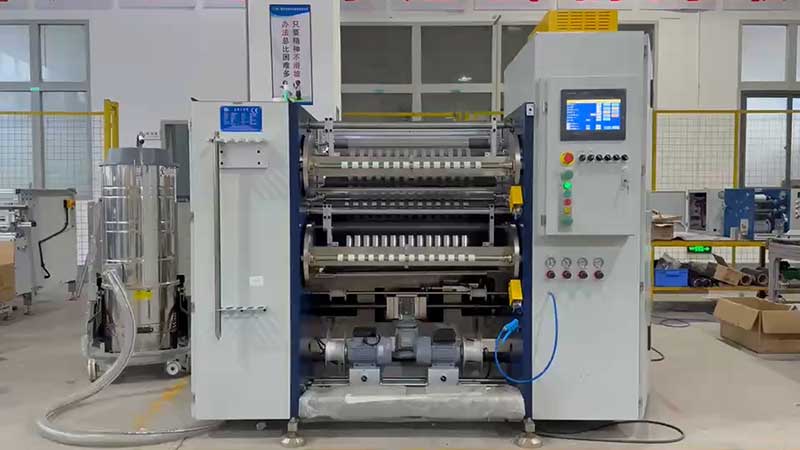
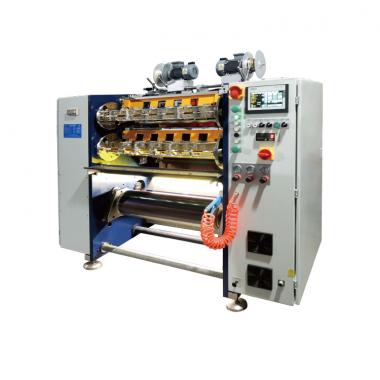
เครื่องตัดฟอยล์ปั๊มร้อนเป็นอุปกรณ์หลักในการแปรรูปวัสดุปั๊มร้อน คุณภาพการติดตั้งและการใช้งานของเครื่องตัดฟอยล์ปั๊มร้อนจึงมีความเกี่ยวข้องโดยตรงกับประสิทธิภาพการผลิตและคุณภาพของผลิตภัณฑ์ บทความนี้จะวิเคราะห์อย่างเป็นระบบถึงประเด็นทางเทคนิคที่สำคัญของกระบวนการทั้งหมดของเครื่องตัดฟอยล์ปั๊มร้อน ตั้งแต่การเตรียมการจนถึงการผลิตจริง
1. การเตรียมการเบื้องต้น
1.1 การประเมินพื้นที่และสภาพแวดล้อม
• ข้อกำหนดเกี่ยวกับพื้น: พื้นที่ติดตั้งควรมีพื้นปูนซีเมนต์ที่แข็งแรงและเรียบ มีความสามารถในการรับน้ำหนัก ≥ 2 ตัน/ตารางเมตร และความคลาดเคลื่อนของแนวราบควรอยู่ในช่วง ±2 มม./2 ม.
• การวางแผนพื้นที่: เว้นพื้นที่สำหรับใช้งานและบำรุงรักษาโดยรอบอุปกรณ์ไม่น้อยกว่า 1.5 เมตร และเว้นความสูงเหนืออุปกรณ์อย่างน้อย 2 เมตร
• พารามิเตอร์ด้านสิ่งแวดล้อม: อุณหภูมิคงที่ที่ 20-25°C ความชื้นสัมพัทธ์ 50%-60% และหลีกเลี่ยงบริเวณที่โดนแสงแดดโดยตรงและบริเวณที่มีการเปลี่ยนแปลงของกระแสลมอย่างรวดเร็ว
• โครงสร้างพื้นฐาน: ตรวจสอบให้แน่ใจว่ามีแหล่งจ่ายไฟสามเฟส 380 โวลต์ (ความผันผวนของแรงดันไฟฟ้า ±5%) แหล่งจ่ายอากาศที่เสถียร (0.6-0.8 MPa) และระบบไฟส่องสว่างพร้อมใช้งาน
1.2 การตรวจสอบและรับรองอุปกรณ์
• การตรวจสอบหลังแกะกล่อง: ตรวจสอบเครื่องจักรหลัก ตู้ควบคุมอิเล็กทรอนิกส์ ระบบปรับความตึง ชิ้นส่วนเครื่องมือ ฯลฯ ทีละชิ้นเทียบกับรายการจัดส่ง
• การตรวจสอบด้วยสายตา: ตรวจสอบความผิดปกติ การเกิดสนิม หรือความเสียหายที่อาจเกิดขึ้นระหว่างการขนส่ง
• การจัดเก็บเอกสาร: รวบรวมเอกสารทางเทคนิค เช่น แบบแปลนไฟฟ้า แบบแปลนประกอบชิ้นส่วนกล โปรแกรม PLC และคู่มือการใช้งาน
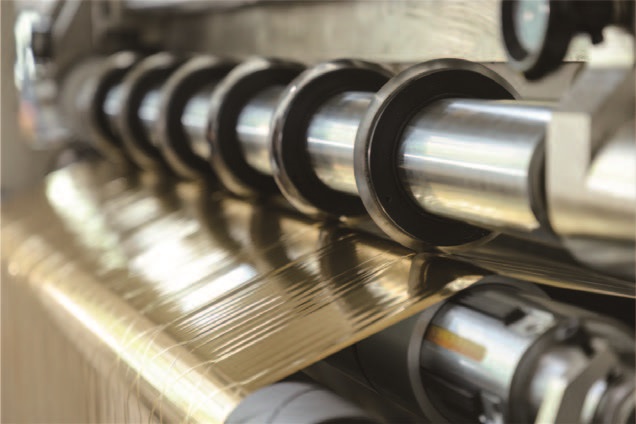
2. ขั้นตอนการติดตั้งทางกล
2.1 การจัดวางตำแหน่งและการปรับระดับขั้นพื้นฐาน
1. ใช้ระดับเลเซอร์เพื่อกำหนดแนวฐานการติดตั้งอุปกรณ์
2. ปรับฐานให้อยู่ในแนวราบ (ความคลาดเคลื่อนในแนวยาวและแนวนอน ≤ 0.05 มม./ม.)
3. อุปกรณ์ได้รับการยึดด้วยพุกเคมีที่มีความแข็งแรงสูง และค่าแรงบิดได้รับการควบคุมอย่างเคร่งครัดตามข้อกำหนดในคู่มือ
4. ปล่อยทิ้งไว้ 24 ชั่วโมงหลังการติดตั้ง แล้วตรวจสอบระดับอีกครั้งหลังจากที่แรงกดที่ฐานรากคลายตัวแล้ว
2.2 การประกอบชิ้นส่วนหลัก
• กลไกการคลาย: ติดตั้งเพลาขยายอากาศเพื่อให้แน่ใจว่าความเที่ยงตรงของศูนย์กลางอยู่ที่ ≤ 0.02 มม. และกำหนดค่าระบบแก้ไขความเบี่ยงเบนอัตโนมัติ
• ระบบควบคุมแรงตึง: ติดตั้งลูกกลิ้งลอยตัวและเซ็นเซอร์วัดแรงตึง โดยชิ้นส่วนเชิงกลมีความยืดหยุ่นและไม่ติดขัด
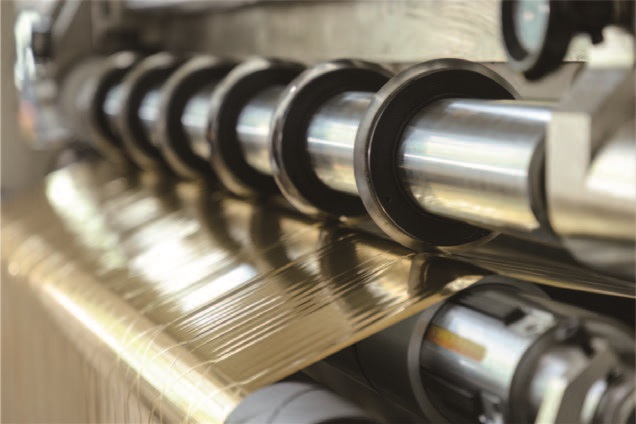
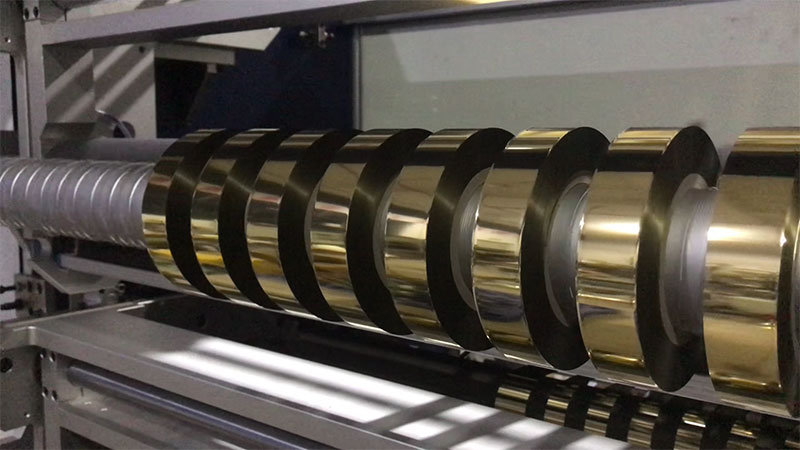
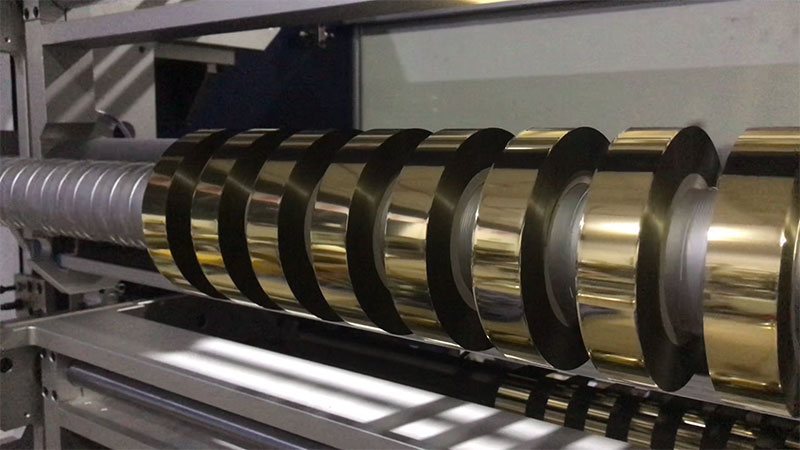
• ชุดตัด: ประกอบใบมีดวงกลมหรือใบมีดแบนตามข้อกำหนดของกระบวนการ และปรับความขนานของคมใบมีดให้มีความคลาดเคลื่อนไม่เกิน 0.01 มม.
• อุปกรณ์ม้วนสาย: ติดตั้งเพลาม้วนสายและกลไกกดลูกกลิ้งเพื่อให้แน่ใจว่าความคลาดเคลื่อนของความขนานกับเพลาคลายสายมีค่า ≤ 0.1 มม.
2.3 การเชื่อมต่อระบบเสริม
• ระบบวงจรอากาศ: ใช้ลมอัดที่สะอาดและแห้ง การจัดวางท่อควรหลีกเลี่ยงการโค้งงอที่แหลมคม และมีการปิดผนึกบริเวณรอยต่อ
• อุปกรณ์กำจัดฝุ่น: ต่อท่อดูดฝุ่นและปรับระยะห่างระหว่างช่องอากาศเข้าและใบมีดให้อยู่ในตำแหน่งที่เหมาะสมที่สุด
• การป้องกันความปลอดภัย: ติดตั้งอุปกรณ์ความปลอดภัย เช่น ปุ่มหยุดฉุกเฉิน อุปกรณ์ป้องกันด้วยแสง และฝาครอบป้องกัน
3. การติดตั้งและเดินสายระบบไฟฟ้า
3.1 การกำหนดค่าระบบกำลังไฟฟ้า
• สายไฟหลักใช้สายทองแดงขนาด ≥6 มม.² พร้อมสวิตช์ตัดไฟและระบบป้องกันการโอเวอร์โหลดแยกต่างหาก
• ความต้านทานการต่อลงดินถูกควบคุมอย่างเข้มงวดให้อยู่ที่ ≤4Ω เพื่อป้องกันการสะสมของไฟฟ้าสถิต
• สายควบคุมและสายส่งไฟฟ้าถูกเซาะร่องเพื่อหลีกเลี่ยงการรบกวนทางแม่เหล็กไฟฟ้า
3.2 การติดตั้งระบบควบคุม
• โมดูล PLC ได้รับการติดตั้งอย่างแน่นหนาในตู้ควบคุมอิเล็กทรอนิกส์ และมีพื้นที่ระบายความร้อนเพียงพอรอบๆ โมดูล
• พารามิเตอร์ของอินเวอร์เตอร์จะถูกตั้งค่าตามข้อมูลบนแผ่นป้ายชื่อมอเตอร์ และค่าความต้านทานเบรกจะถูกกำหนดค่าไว้
• เซ็นเซอร์ทั้งหมด (ตัวเข้ารหัส, สวิตช์ตรวจจับระยะใกล้, ตัวตรวจจับแรงดึง ฯลฯ) ได้รับการติดตั้งในตำแหน่งที่แม่นยำและทำการแก้ไขข้อผิดพลาดเบื้องต้นเรียบร้อยแล้ว
3.3 การเดินสายไฟและการระบุอุปกรณ์
• ต่อสายไฟตามแบบที่กำหนด โดยใช้เครื่องหมายระบุหมายเลขสายไฟบนท่อตามข้อกำหนด
• ควรเว้นระยะห่างอย่างน้อย 200 มิลลิเมตรระหว่างสายไฟฟ้าแรงสูงและสายไฟฟ้าอ่อน
• ทดสอบฉนวนอย่างสมบูรณ์ (≥5MΩ) หลังจากเดินสายไฟเสร็จสมบูรณ์
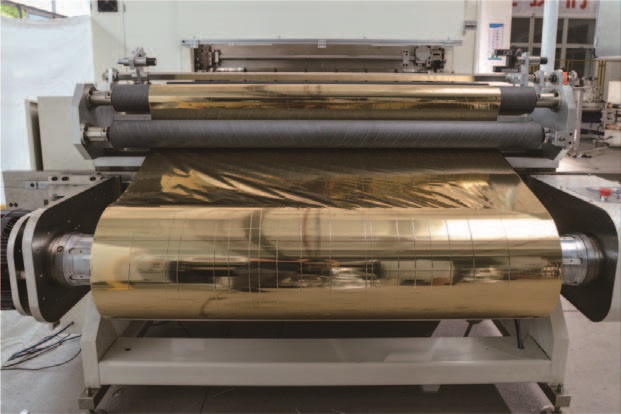
4. กระบวนการแก้ไขข้อบกพร่องของระบบ
4.1 การทดสอบเดินเครื่องโดยไม่มีโหลด
1. การทดสอบการทำงานทีละอย่าง: ทดสอบการทำงานทีละอย่างของฟังก์ชั่นการคลาย การดึง การตัด การม้วน และฟังก์ชั่นอื่นๆ ผ่านแผงควบคุมการทำงาน
2. การทดสอบการเชื่อมต่อ: การทำงานโดยรวมที่ความเร็วต่ำ (10-20 เมตร/นาที) สังเกตการประสานงานของแต่ละส่วนประกอบ
3. การทดสอบความปลอดภัย: ตรวจสอบการทำงานของระบบความปลอดภัยต่างๆ เช่น ปุ่มหยุดฉุกเฉิน ระบบล็อคประตู และระบบป้องกันการโอเวอร์โหลด
4.2 การสอบเทียบระบบแรงดึง
• ใช้เครื่องวัดแรงดึงเพื่อสอบเทียบค่าแรงดึงของจุดควบคุมแต่ละจุด
• ปรับค่าพารามิเตอร์ PID เพื่อควบคุมความผันผวนของแรงดึงให้อยู่ภายใน ±5% ของค่าที่ตั้งไว้
• จำลองการแตกหักของวัสดุ การเร่งความเร็ว การลดความเร็ว และสภาวะการทำงานอื่นๆ เพื่อตรวจสอบความเสถียรของแรงดึง
3.3 การปรับความแม่นยำในการตัด
• ใช้เกจวัดความหนาเพื่อปรับระยะห่างของใบมีดบนและล่าง โดยปกติจะตั้งไว้ที่ 1.2-1.5 เท่าของความหนาของวัสดุ
• ปรับมุมและแรงกดของใบมีดให้เหมาะสมที่สุด โดยลองตัดร่องฟันดู
• ทดสอบขนาดความกว้างที่แตกต่างกัน (โดยทั่วไป 3 มม. - 20 มม.) เพื่อให้แน่ใจว่าข้อผิดพลาดด้านความตรงของการตัด ≤ 0.1 มม./10 ม.
4.4 การดีบักระบบควบคุมอัตโนมัติ
• ตั้งค่าความไวและความเร็วในการตอบสนองของระบบแก้ไข
• การตั้งโปรแกรมเส้นโค้งแรงดึงเรียวและตรรกะการพันขดลวดสำหรับการพันขดลวด
• การตั้งค่าพารามิเตอร์ HMI รวมถึงความเร็ว ความยาว ขีดจำกัดการแจ้งเตือน เป็นต้น
5. การทดลองผลิตและการปรับปรุงประสิทธิภาพของแถบทดสอบ
5.1 การเตรียมการสำหรับการผลิตทดลอง
• เตรียมวัสดุฟอยล์ปั๊มร้อนที่มีคุณสมบัติแตกต่างกัน 3-5 ชนิดสำหรับการทดสอบ
• กำหนดค่าท่อกระดาษและเครื่องตัดกระดาษให้ตรงตามข้อกำหนดที่เหมาะสม
• จัดทำแบบฟอร์มบันทึกการผลิตทดลองเพื่อบันทึกพารามิเตอร์สำคัญ
5.2 กระบวนการผลิตทดลอง
1. การทดลองตัดที่ความเร็วต่ำ: ทดลองตัดที่ความเร็ว 30-50 เมตร/นาที เพื่อสังเกตความเรียบของแผ่นวัสดุและคุณภาพการตัด
2. การปรับพารามิเตอร์ให้เหมาะสม: ปรับพารามิเตอร์ความตึง แรงดันของหัวตัด และตำแหน่งของขอบนำทางตามผลการทดสอบการตัด
3. การตรวจสอบความเร็วสูง: ค่อยๆ เพิ่มความเร็วไปจนถึง 80% ของความเร็วที่กำหนด เพื่อตรวจสอบเสถียรภาพของระบบ
4. การทำงานต่อเนื่อง: ดำเนินการผลิตอย่างต่อเนื่องเป็นเวลา 4-8 ชั่วโมง เพื่อตรวจสอบการเพิ่มขึ้นของอุณหภูมิและการสั่นสะเทือนของอุปกรณ์
5.3 มาตรฐานการยอมรับคุณภาพ
• ความแม่นยำในการตัด: ค่าความคลาดเคลื่อนของความกว้าง ≤±0.1 มม., ค่าความคลาดเคลื่อนของเส้นทแยงมุม ≤0.15 มม.
• คุณภาพการม้วน: ความเรียบของหน้าตัดปลายม้วนต้องไม่เกิน 0.5 มม. และไม่มีรอยย่นหรือชั้นแตก
• ประสิทธิภาพการผลิต: มากกว่า 90% ของความเร็วตามที่ออกแบบไว้ และเวลาในการเปลี่ยนม้วนฟิล์ม ≤ 2 นาที
• อัตราของเสีย: อัตราของเสีย ≤ 0.5% ภายใต้สภาวะการผลิตที่คงที่
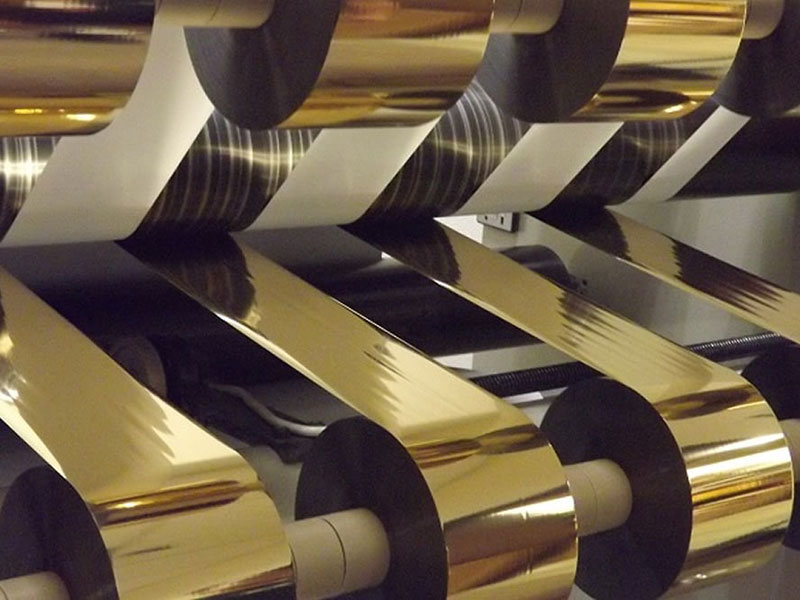
6. การฝึกอบรมการปฏิบัติงานและการส่งมอบเอกสาร
6.1 การฝึกอบรมอย่างเป็นระบบ
• การใช้งานพื้นฐาน: การเปิดและปิดเครื่อง การตั้งค่าพารามิเตอร์ประจำวัน การเปลี่ยนวัสดุ
• การบำรุงรักษา: การตรวจสอบประจำวัน การหล่อลื่น และการเปลี่ยนชิ้นส่วนที่สึกหรอ
• การจัดการข้อผิดพลาด: วิธีการระบุสัญญาณเตือนทั่วไปและการแก้ไขปัญหา
• ข้อกำหนดด้านความปลอดภัย: ข้อกำหนดเกี่ยวกับอุปกรณ์ป้องกันส่วนบุคคล ขั้นตอนการรับมือกับเหตุฉุกเฉิน
6.2 การรวบรวมเอกสารทางเทคนิค
นำเสนอข้อมูลทางเทคนิคโดยละเอียดของผู้ใช้งาน ซึ่งรวมถึง:
• แบบร่างการประกอบทางกลและรายการชิ้นส่วนสึกหรอ
• แผนผังวงจรไฟฟ้าและไฟล์สำรองโปรแกรม PLC
• รายงานการทดสอบระบบและใบรับรองการยอมรับ
• ตารางการบำรุงรักษาและวิดีโอแนะนำการใช้งาน
7. ปัญหาและวิธีแก้ไขที่พบบ่อย
| ปรากฏการณ์ปัญหา | สาเหตุที่เป็นไปได้ | สารละลาย |
| ขอบที่ตัดนั้นหยาบ | การเกิดชั้นฟิล์มป้องกันใบมีดหรือระยะห่างที่ไม่เหมาะสม | เปลี่ยนหรือลับคมเครื่องมือเพื่อปรับระยะห่างให้เหมาะสม |
| ปลายขดลวดไม่เรียบ | ระบบแก้ไขตอบสนองช้าเกินไป | ปรับตำแหน่งเซ็นเซอร์ตรวจจับแสงและพารามิเตอร์ PID |
| ความตึงเครียดผันผวนอย่างมาก | ลูกกลิ้งลอยตัวไม่ยืดหยุ่น หรือเซ็นเซอร์ทำงานผิดปกติ | ทำความสะอาดรางและปรับเทียบเซ็นเซอร์วัดแรงตึง |
| การสั่นสะเทือนระหว่างการทำงานด้วยความเร็วสูง | สมดุลพลวัตไม่ดีหรือฐานรากไม่แข็งแรง | ทำการทดสอบสมดุลแบบไดนามิกอีกครั้งเพื่อเสริมความแข็งแรงของฐานราก |
บทส่งท้าย
การติดตั้งและการทดสอบใช้งานเครื่องตัดฟอยล์ปั๊มร้อนเป็นโครงการที่เป็นระบบซึ่งต้องอาศัยความเชี่ยวชาญในด้านเครื่องกล ไฟฟ้า และเทคโนโลยี ด้วยกระบวนการติดตั้งที่เป็นมาตรฐานและวิธีการทดสอบใช้งานที่ได้รับการปรับปรุง จะช่วยให้สามารถใช้งานอุปกรณ์ได้อย่างรวดเร็วและวางรากฐานที่มั่นคงสำหรับการใช้งานที่เสถียรในระยะยาว เป็นที่พิสูจน์แล้วว่าเวลาและความพยายามที่ใช้ไปในขั้นตอนการติดตั้งและการทดสอบใช้งานจะคุ้มค่าหลายเท่าตลอดอายุการใช้งานของอุปกรณ์ – ลดเวลาหยุดทำงาน ปรับปรุงคุณภาพผลิตภัณฑ์ และยืดอายุการใช้งานของอุปกรณ์ ด้วยการพัฒนาของเทคโนโลยีอัจฉริยะ เครื่องตัดฟอยล์ปั๊มร้อนสมัยใหม่กำลังพัฒนาไปในทิศทางของการวินิจฉัยอัตโนมัติ การทำงานและการบำรุงรักษาจากระยะไกล แต่การติดตั้งและการทดสอบใช้งานที่เป็นรากฐานที่มั่นคงยังคงเป็นหลักประกันเบื้องต้นสำหรับประสิทธิภาพที่ดีที่สุดของอุปกรณ์
 English
  Deutsch
  Français
  Español
  Português
  日本語
日本語  русский
  한국어
한국어  عربي
عربي  ภาษาไทย
  Tiếng Việt
  Italiano
 เครื่องกรอริบบิ้นพิมพ์การ์ด
 เครื่องตัดริบบิ้นพิมพ์การ์ด
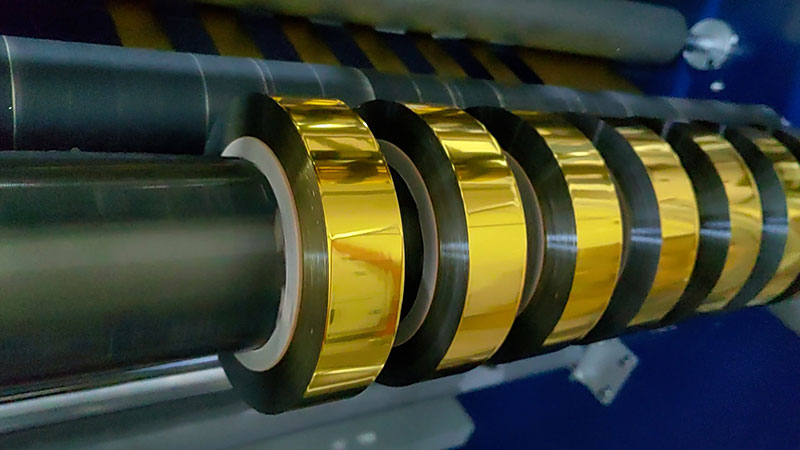
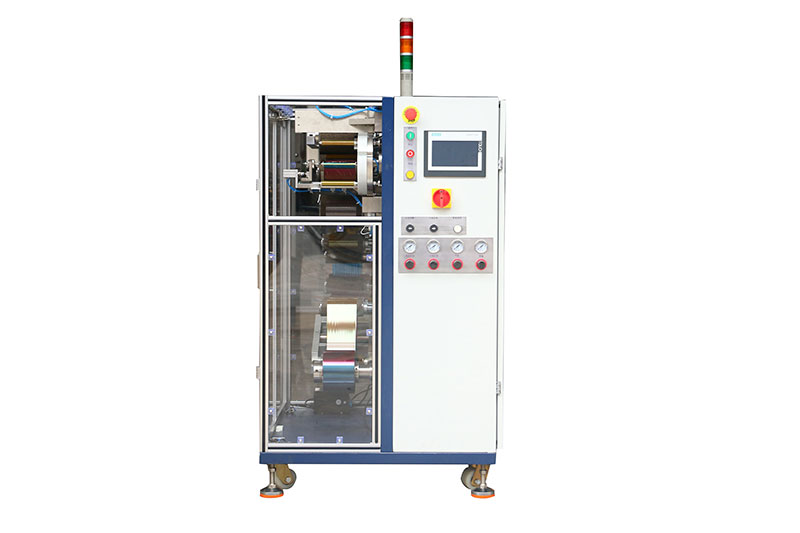
 เครื่องตัดฟอยล์ปั๊มร้อน
 เครื่องตัดฟอยล์โฮโลแกรม
 เครื่องตัดฟอยล์แบบดิจิทัล
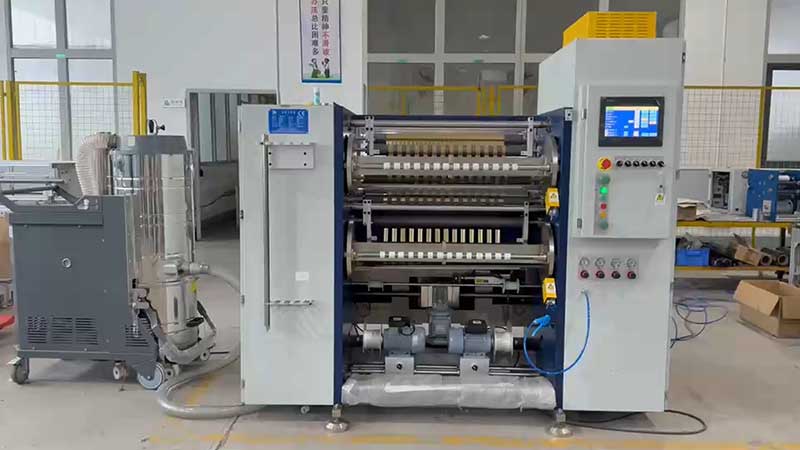
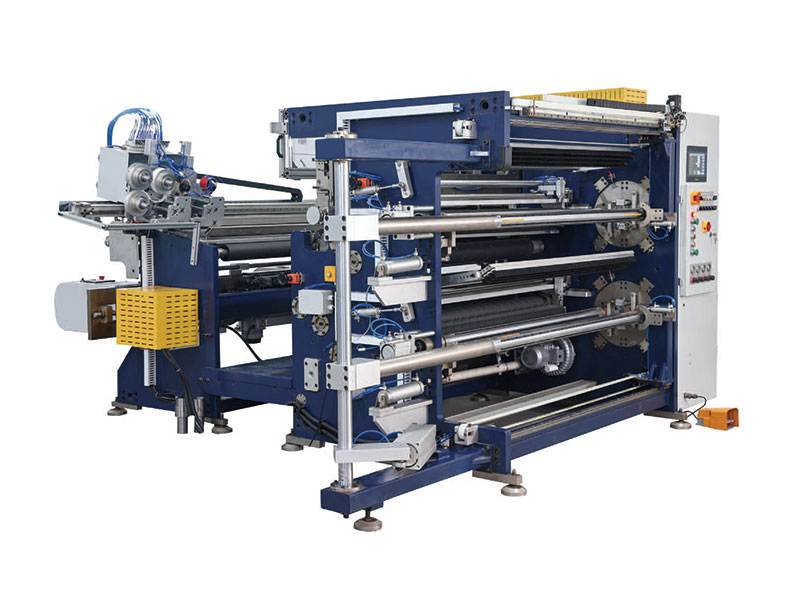 เครื่องตัดฟอยล์ปั๊มร้อน RSDS7H 1350 PLUS
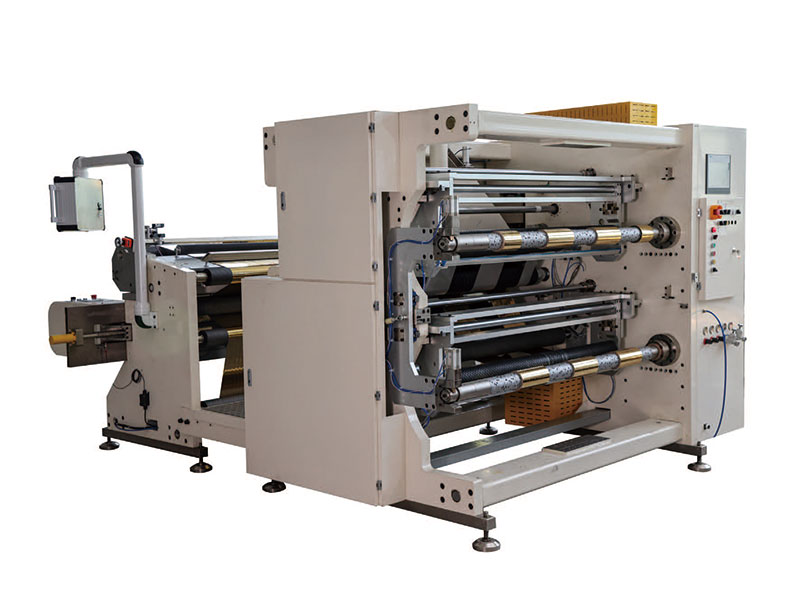 เครื่องตัดฟอยล์ปั๊มร้อน (RSDS7H) 1350